The corporate film director plays a key role in the audiovisual communication of organisations. By combining storytelling, technical expertise and an understanding of corporate needs, they produce videos tailored to various objectives. Their mission ranges from the conception phase to post-production, via on-site filming. Thanks to their versatility, they can meet a wide variety of requests, such as the creation of corporate films, customer testimonials, reels for social media or reports featuring interviews.
The fundamental stages of the mission.
Design and preparation.
Making a corporate film begins with a phase of reflection and planning:
- Understanding the customer's needs The director meets with the company to identify its objectives, its target audience and the message to be conveyed.
- Develop a script or storyboard This stage allows the project to be structured by defining the sequences, dialogues, settings and necessary shots.
- Schedule the shoot This includes the management of venues, speakers, equipment and permits, ensuring a smooth and efficient process.
Filming: capturing the essence of the company.
During filming, the director must combine creativity and precision to capture quality footage:
- Directing the shoot He manages the technical team, adjusts the framing, chooses the angles and guides the contributors to obtain dynamic and engaging shots.
- Adapting to the unexpected Lighting conditions, environmental constraints or human unpredictability often require real-time adjustments.
- Create a professional atmosphere Whether for an interview or an action scene, the director ensures that the atmosphere remains in keeping with the desired message.
Editing: bringing the project to life.
Editing is a crucial stage where the director assembles the sequences to tell a captivating story:
- Select the best takes Careful sorting of the images ensures that only the most impactful sequences are retained.
- Harmonise the whole He makes sure that the rhythm, music, visual effects and transitions form a coherent and attractive whole.
- Optimise for broadcast media The videos are adapted in terms of format and duration depending on whether they will be broadcast on a website, social media or at events.
The diversity of video productions.
Corporate videos: enhancing the brand image.
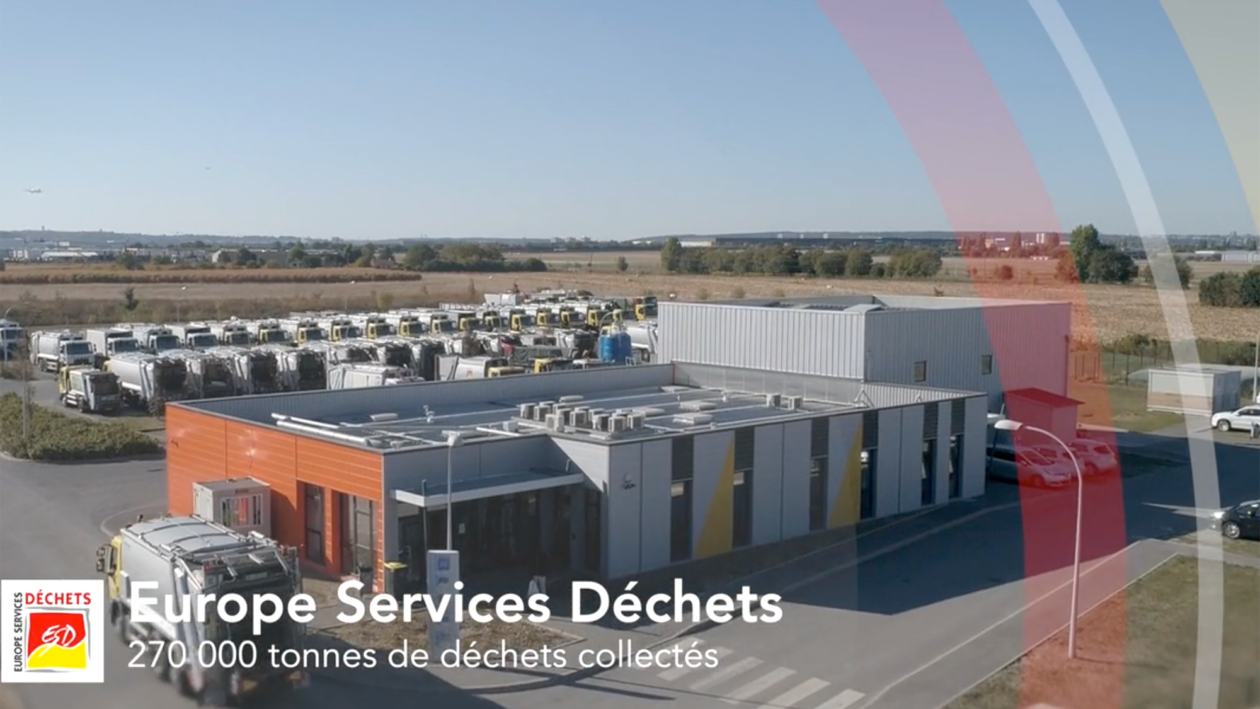
A corporate film aims to present the company, its values, its history and its activity in an institutional way.
- Showcase the key aspects of the company, such as its infrastructure, its employees and its products.
- Highlight a strong visual identity to reflect the professionalism and uniqueness of the brand.
Customer testimonials: building credibility.
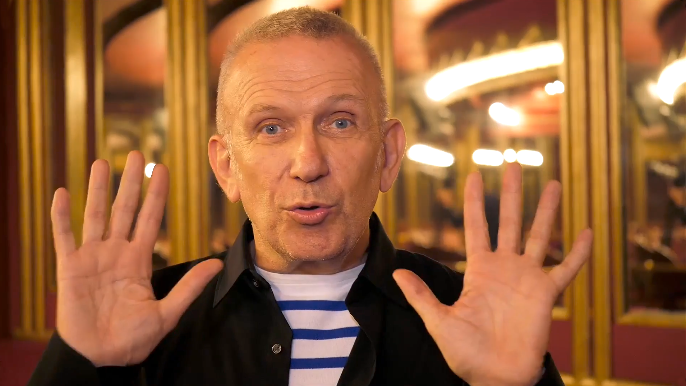
Video testimonials are a powerful communication tool to win the trust of prospects.
- Create an authentic and sincere atmosphere so that customers can share their experience naturally.
- Make videos dynamic and impactful through varied shots and meticulous post-production.
Reels and videos for social media: grab attention instantly.
Social media videos, such as reels or stories, are short, punchy and optimised to capture attention within seconds.
- Invest in vertical formats and visually appealing content to adapt to platforms like Instagram, TikTok or LinkedIn.
- Integrate subtitles, animations or upbeat music to maximise user engagement.
Reports featuring interviews: telling authentic stories.
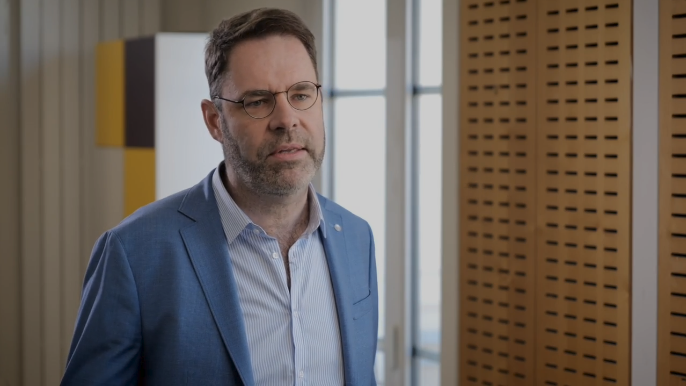
Corporate reports combine on-the-ground footage and interviews to offer an immersive dive into the daily life of the organisation.
- Capturing honest testimonials from employees or partners, enriching the narrative with diverse perspectives.
- Showcase the activity through vibrant, contextualised scenes, providing a better understanding of the company's expertise and vision.
The qualities of a film director.
To successfully complete these varied productions, a corporate film director must:
- Show good listening skills and adaptability Every client has specific needs, and the director must be able to offer bespoke solutions.
- Combining creativity and strategy Each video must remain original while aligning with the marketing objectives and the expectations of the target audience.
- Master the technique From filming to post-production, specialist expertise is essential to produce professional-quality videos.
Conclusion.
The corporate film director is a strategic player for organisations looking to stand out through impactful audiovisual content. Thanks to their expertise, they support clients throughout the entire process, from conception to editing, adapting to the specificities of each project. Corporate films, client testimonials, reels or interview reports: their mission is to transform ideas into videos that reflect the company's values and identity.