A corporate photographer stands out for their ability to meet multiple needs while maintaining impeccable quality and a consistent aesthetic. Whether for corporate portraits, industrial reportage, staff directories or corporate events, their adaptability and expertise are at the heart of their mission. Here is how they adapt to these different types of project.
Corporate headshot: reflecting professional identity.
The corporate portrait is a key element of companies' visual communication. Whether it is a case of highlighting senior executives or taking team portraits, the photographer must:
- Build trust Helping employees, who are often unaccustomed to posing, feel at ease to capture natural and authentic expressions.
- Take care with the lighting and backgrounds The choice of backdrop (neutral or contextualised) and the mastery of lighting are essential for conveying a professional image.
- Adapt the style to the positioning A formal and classic portrait will suit traditional sectors, whereas a more dynamic look can illustrate the spirit of a start-up or an innovative company.
Industrial photo report: showcasing skills and infrastructure.
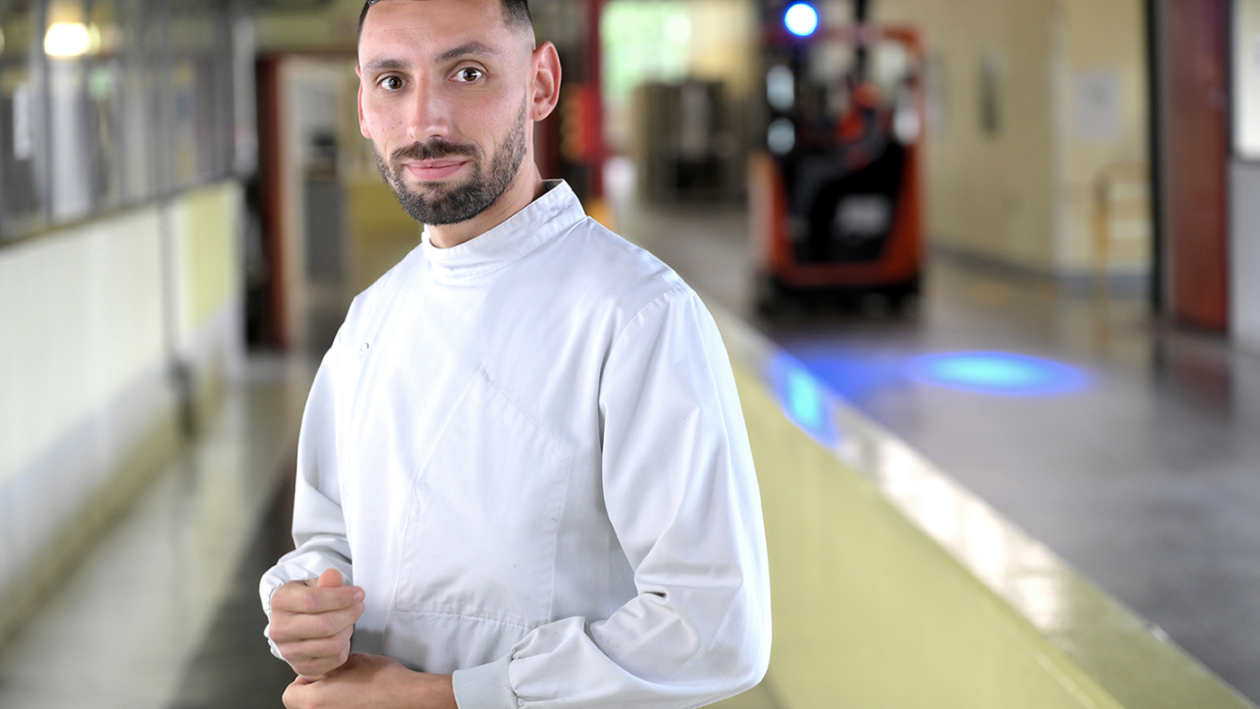
Industrial photography involves capturing the activities, technologies and specific expertise of the company. To achieve this, the photographer:
- Immerses oneself in the industrial environment He takes the time to understand the processes and the key points to illustrate.
- Handle the technical constraints Factories or construction sites often present challenges, such as low light, cluttered spaces or strict safety standards, which the photographer must overcome with suitable equipment.
- Bring an artistic vision Enhancing machines, production lines or technical movements makes it possible to transform technical scenes into captivating and aesthetic images.
Company photo directory: humanising the organisation.
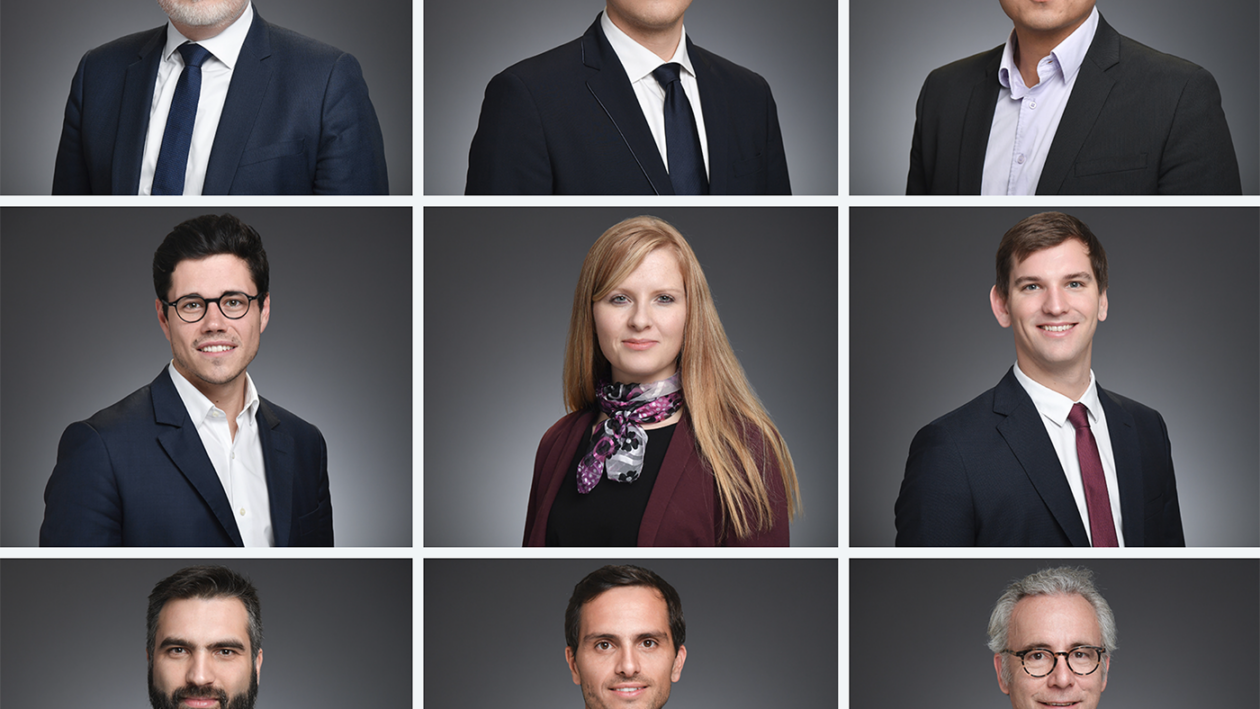
A staff photo directory is an essential tool for introducing teams, both internally and externally. Its creation requires:
- A standardised approach Ensure consistency in framing, lighting, and backgrounds to achieve a uniform and professional result.
- Effective organisation Plan and optimise photo sessions to limit disruption to employees' daily activities.
- A personal touch Capturing the personality of each team member, whilst respecting the company's overall visual identity.
Event reportage: capturing the highlights.
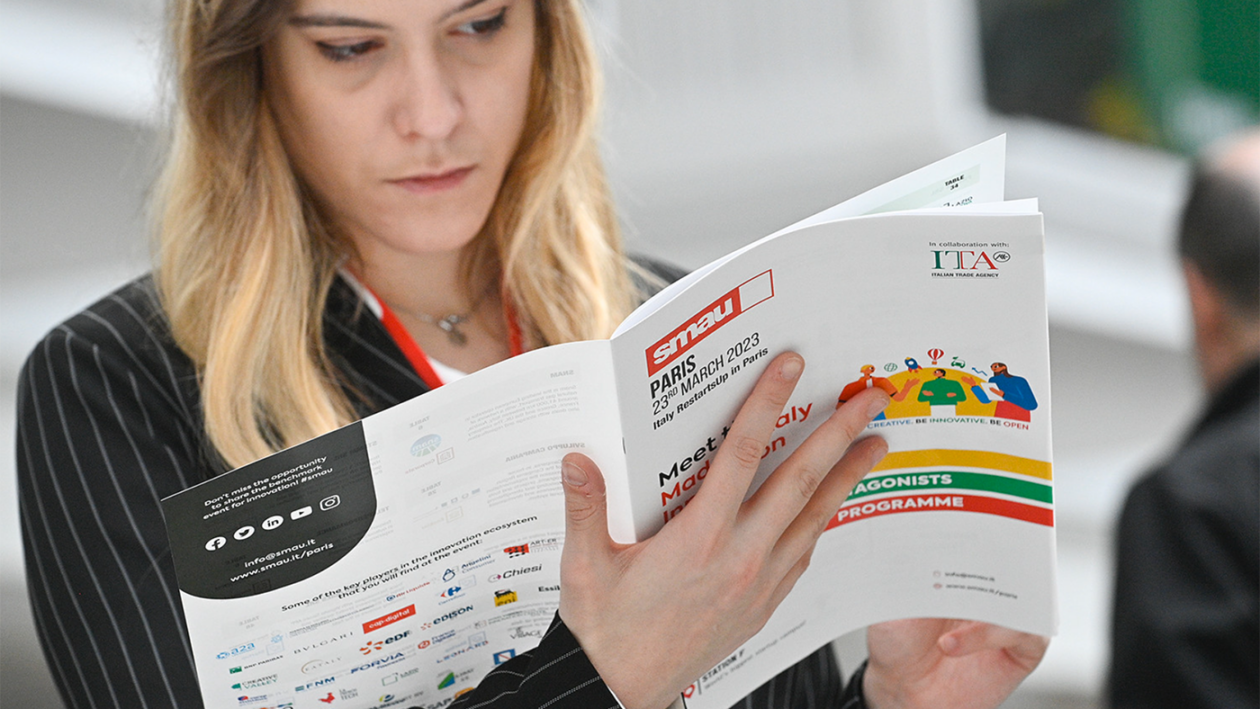
At events such as seminars, product launches, galas or conferences, the photographer plays a crucial role in highlighting these unique moments. To achieve this, they must:
- Seize the moment Capturing authentic moments, whether it’s speeches, participant interactions or emotional moments.
- Highlight the atmosphere Capture the atmosphere of the event, whether it is festive, formal or friendly, through appropriate framing and lighting choices.
- To be discreet and responsive Act discreetly so as not to disrupt the flow of the event, whilst remaining ready to capture key moments.
- Provide visuals that can be used quickly Event photos often need to be available quickly for publication on social media or in press releases.
Technical and creative expertise for every assignment.
Whatever the nature of the production, the corporate photographer draws on a wide range of skills:
- Equipment mastery Adapting to different environments with high-performance, versatile camera equipment.
- Versatility and flexibility Switching from a studio portrait session to a construction site reportage or event coverage requires a high level of responsiveness.
- Active listening To understand the specific expectations of the company in order to propose bespoke visual solutions.
Maintain an overall visual consistency.
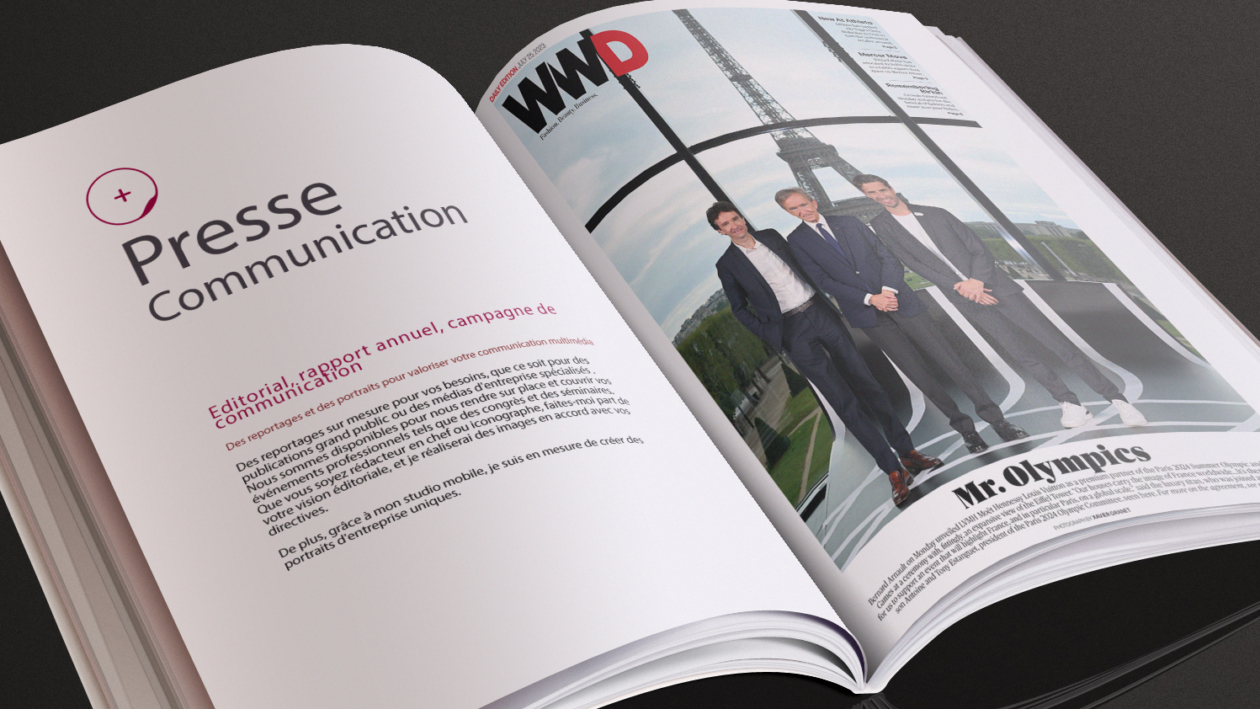
Despite the diversity of the productions, the photographer must ensure a consistent aesthetic is maintained, in line with the company's visual identity. This reinforces the organisation's brand image and credibility.
Conclusion.
The corporate photographer is a strategic partner for creating images that reflect the company's identity, values and activities. Whether producing corporate portraits, industrial reports, staff directories or event coverage, their adaptability, creativity and technical expertise make it possible to meet the varied needs of their clients while enhancing their image. Thanks to this versatility, they help to strengthen the visibility and visual impact of businesses in a world where imagery is essential.