
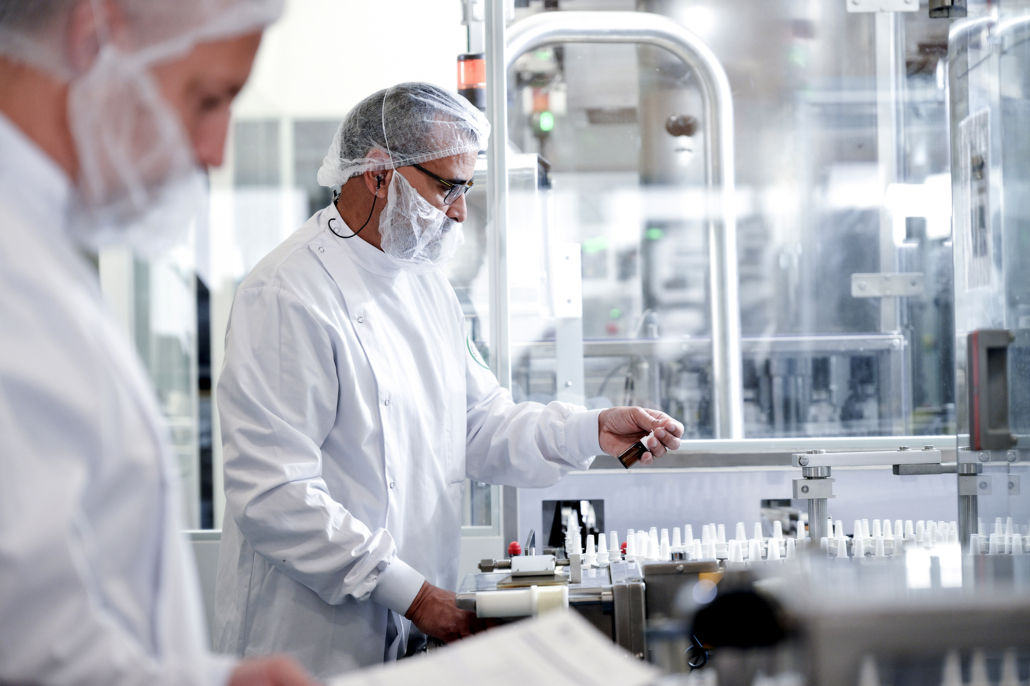
The role of the industrial photographer and the process of producing a photo report for an industrial group.
/in Case studies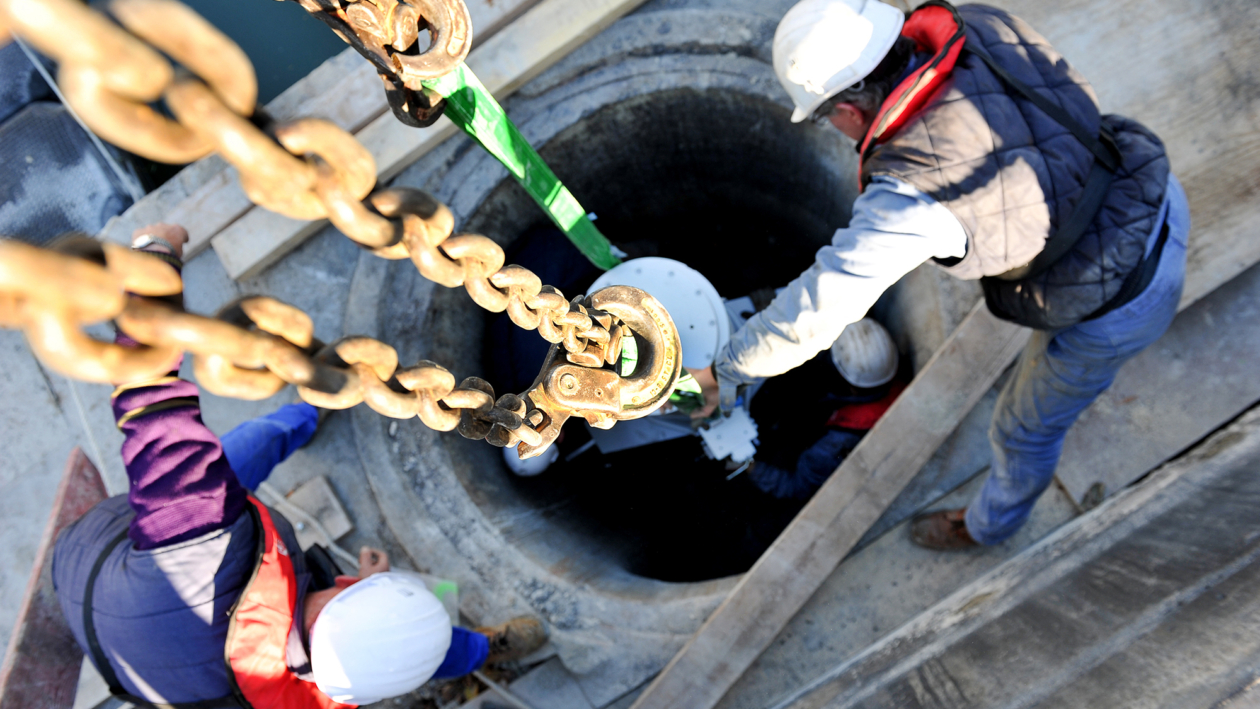
The importance of communication in the industrial world and the mission of an industrial reportage photographer.
In an increasingly image-driven world, industrial companies must look after their visual communication to showcase their products, teams and know-how. An industrial photographer plays a key role in this process by capturing professional images that illustrate the values and expertise of an industrial group. But how exactly does the process of creating an industrial photo shoot for a group's communication unfold?
1. Understanding the group's objectives and identity
The process begins with a meeting between the photographer and the industrial group's communication team. The objective is to understand the messages that the company wishes to convey through the images. Is it to showcase a new production line? Highlight environmental commitment? Or perhaps reinforce the presentation of the teams and talent? This step makes it possible to identify the group's specific needs and define the visual angle of the report.
2. Preparation and scheduling of the report
Once the objectives have been clarified, the photographer, in agreement with the company, plans the shoots. This involves scouting the production locations, the specific areas to be photographed, and coordinating with the teams to organise the photo sessions without disrupting the daily operation of the factory. This may involve photographing machines in action, interactions between employees, or aspects of the working environment that highlight safety and innovation.
3. On-site filming
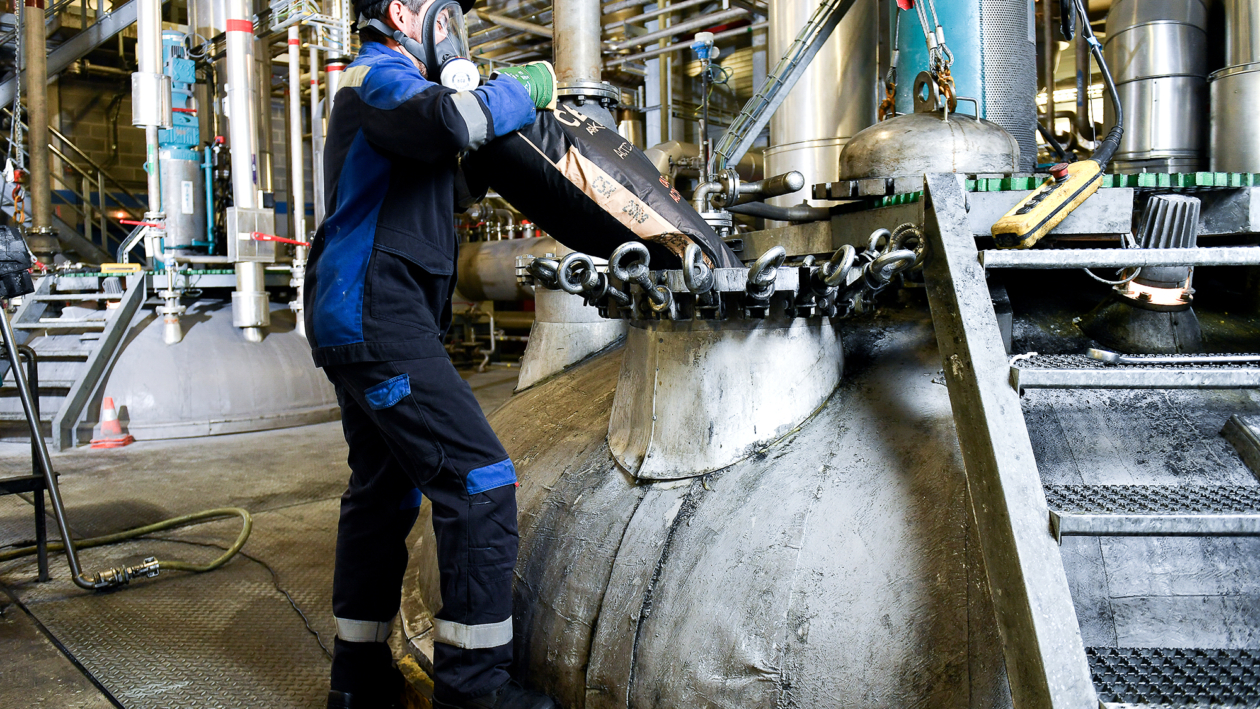
On the day of the shoot, the photographer goes to the site with all the necessary equipment and PPE to capture images, often in challenging conditions related to industrial lighting. They work discreetly so as not to disturb the teams, whilst capturing key moments that reflect the company's atmosphere, the precision of the work and the group's values. Industrial photography can include employee portraits, photos of production in action, views of the infrastructure and technical details.
4. Post-production and retouching
After shooting, the post-production phase begins. The images are carefully selected and retouched to improve clarity, brightness and the highlighting of important elements. This may include colour adjustment, blemish correction and the integration of the company's brand guidelines. The aim is to obtain photos that are perfectly suited to the group's communication media.
5. Delivery and use of the photos
The finalised photos are then delivered in various formats and resolutions, depending on their use (website, brochures, annual reports, etc.). These images become a key tool for the industrial group's communication, helping to strengthen its brand image, promote its products and services, and showcase its teams and working environment.
Why is an industrial photo report essential?
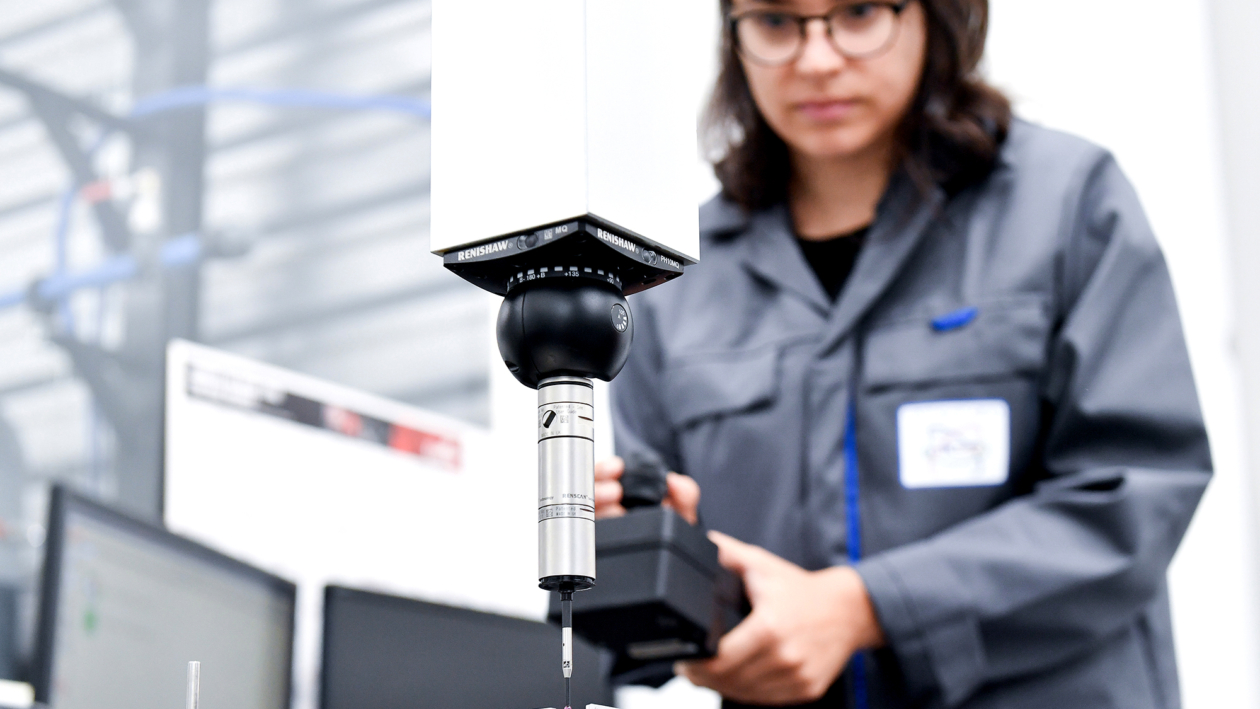
In the industrial sector, photography is a powerful way to show what goes on behind the scenes. A quality photo report makes complex processes visible, demonstrates technical expertise and humanises the company's image by highlighting the women and men who keep it running. This builds trust with clients, partners, and even future employees.
In conclusion, an industrial photographer does not merely take pictures; they capture the essence of the company and transform it into a powerful visual message that serves the group's communication strategy.
If the urge to become a professional photographer is part of your goals, here is a school that I recommend to you and which will be able to answer all your questions about this profession: the ETPA


Leave a Reply
Want to join the discussion?Feel free to contribute!